
Bike tour booking redesign
UX Design, User Journey, Interaction Design
Preface
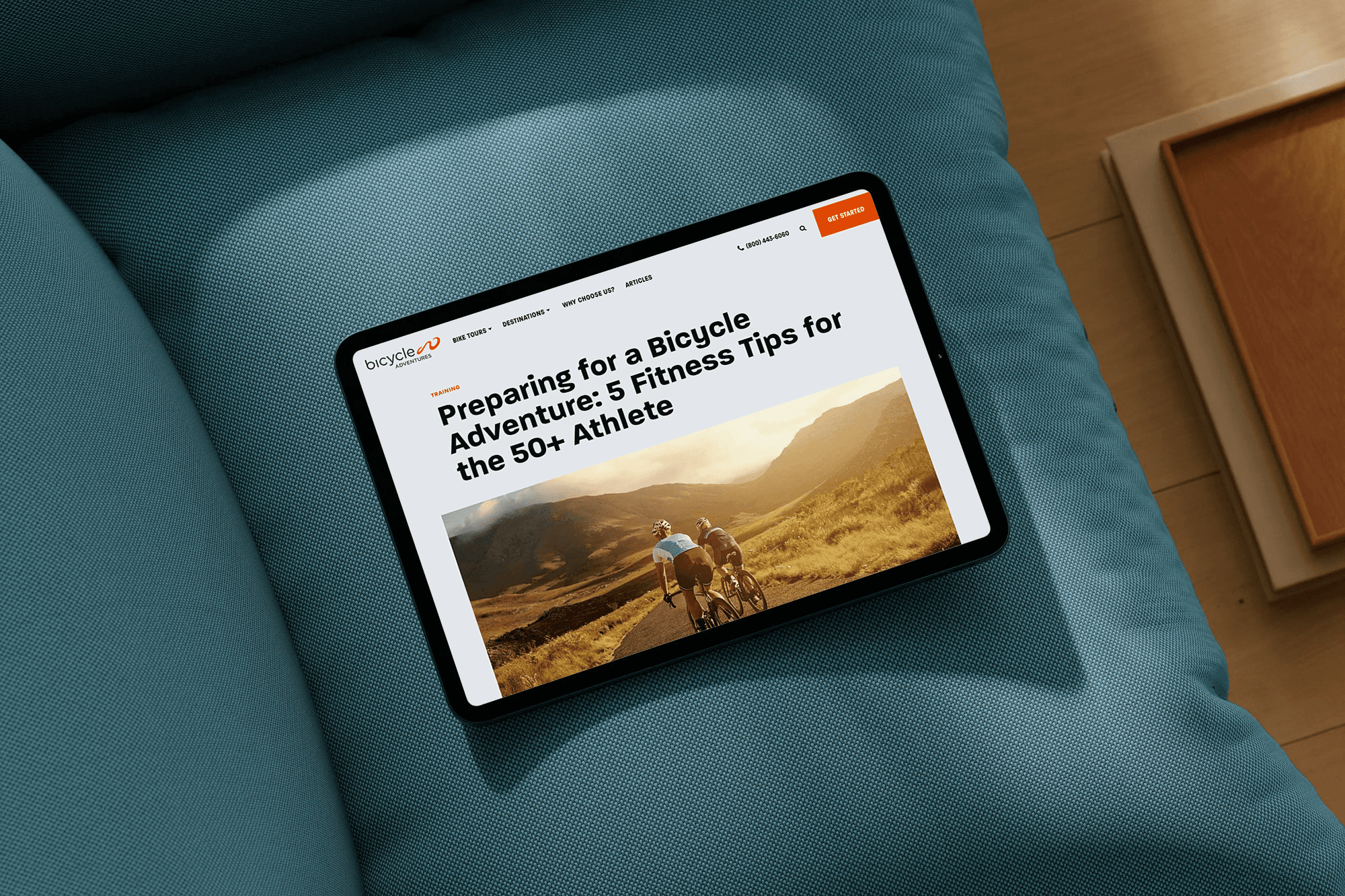
Booking a bike tour should be a quick, intuitive decision. In a previous role, I worked with a Creative Director and UX Strategist to redesign a bike tour booking experience, focusing on reducing friction and helping users find the right tour faster.
— — — — — —
Problem
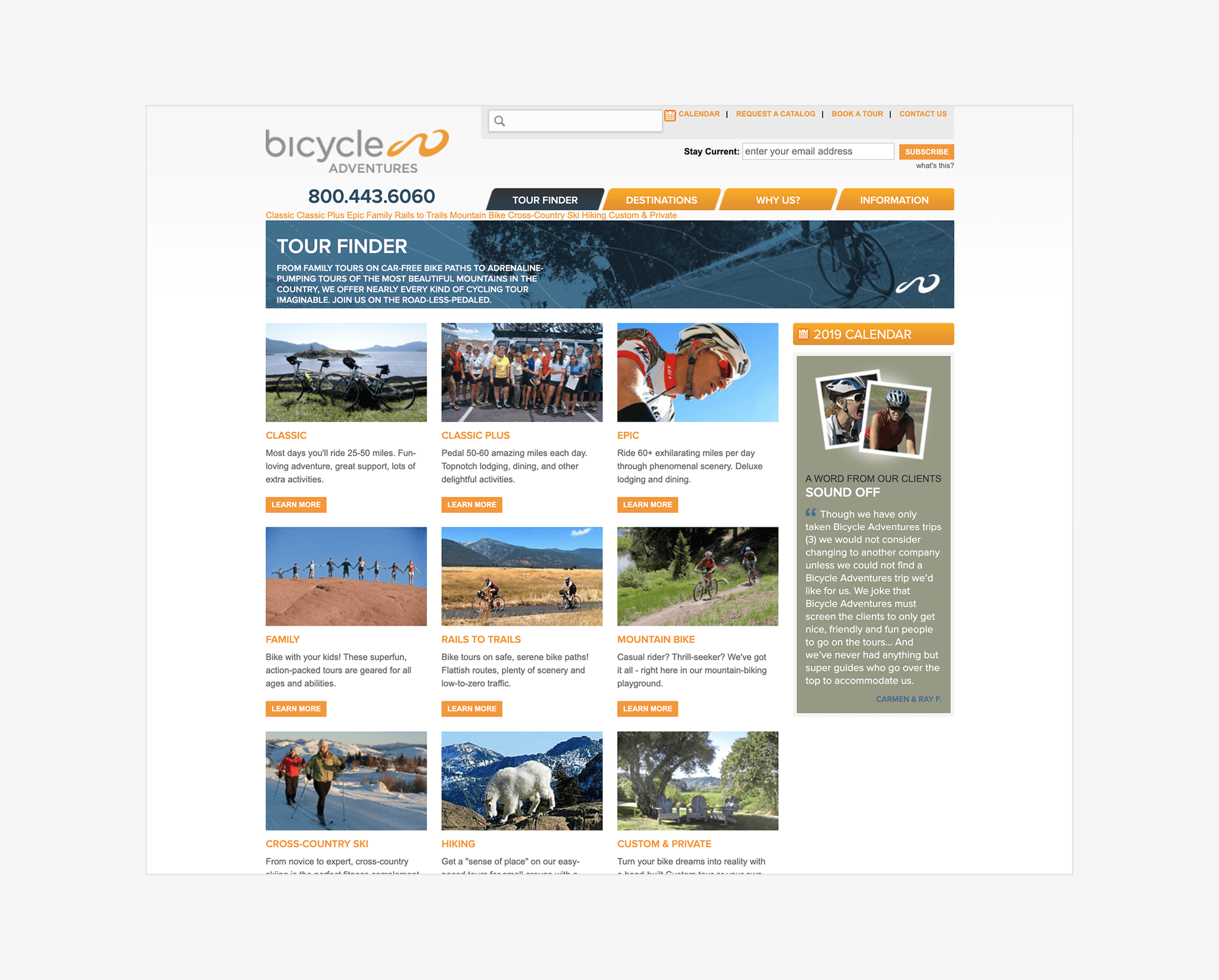
The 'Tour Finder' page relied on a browse-heavy model that required users to scan and compare multiple tours without guidance. Key details were difficult to parse, making early decision-making slow and overwhelming.
The core challenge was not lack of options, but how those options were structured and presented to support decision-making.
Solution
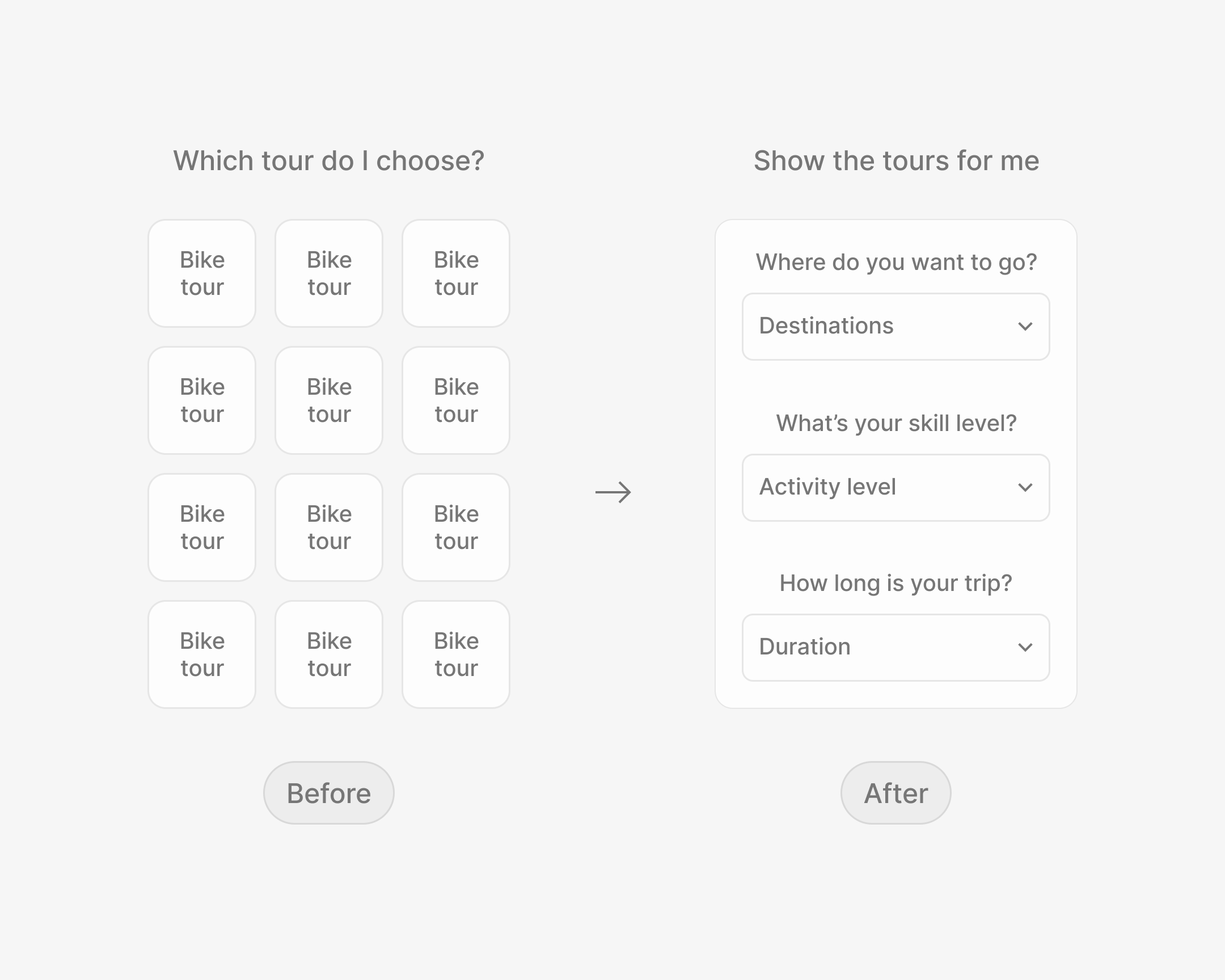
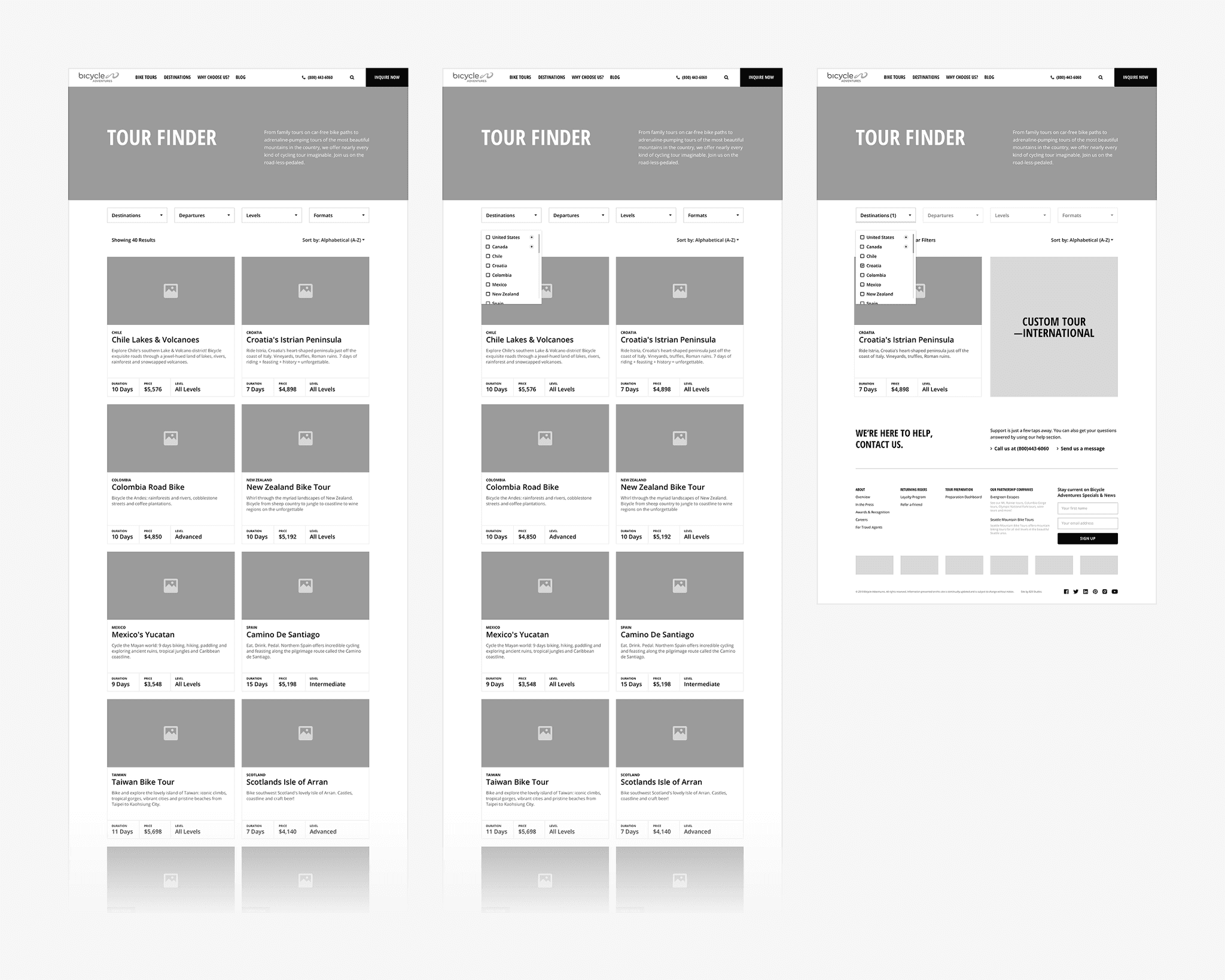
I partnered with a UX Strategist to rethink this entry point, reframing it from ‘Which tour do I choose?’ to ‘Show the tours for me.’ We reframed the experience from open-ended browsing to guided filtering, allowing users to narrow options by destination, activity level, and duration.
By shifting from an overwhelming browse-heavy experience to a guided one, we helped turn a point of friction into a moment of clarity, making it faster and easier for users to find and commit to the right tour.
Restructuring the tour finder
I started by reworking the tour finder at a structural level. In wireframes, I explored how filtering could replace the existing browse-heavy experience—allowing users to quickly narrow tours by destination, activity level, and duration.
This phase focused on simplifying decision-making and reducing the need to scan long lists of tours.
This approach aligns with common patterns used by competitors where filtering reduces decision complexity and improves conversion.
— — — — — —
A visual system that guides
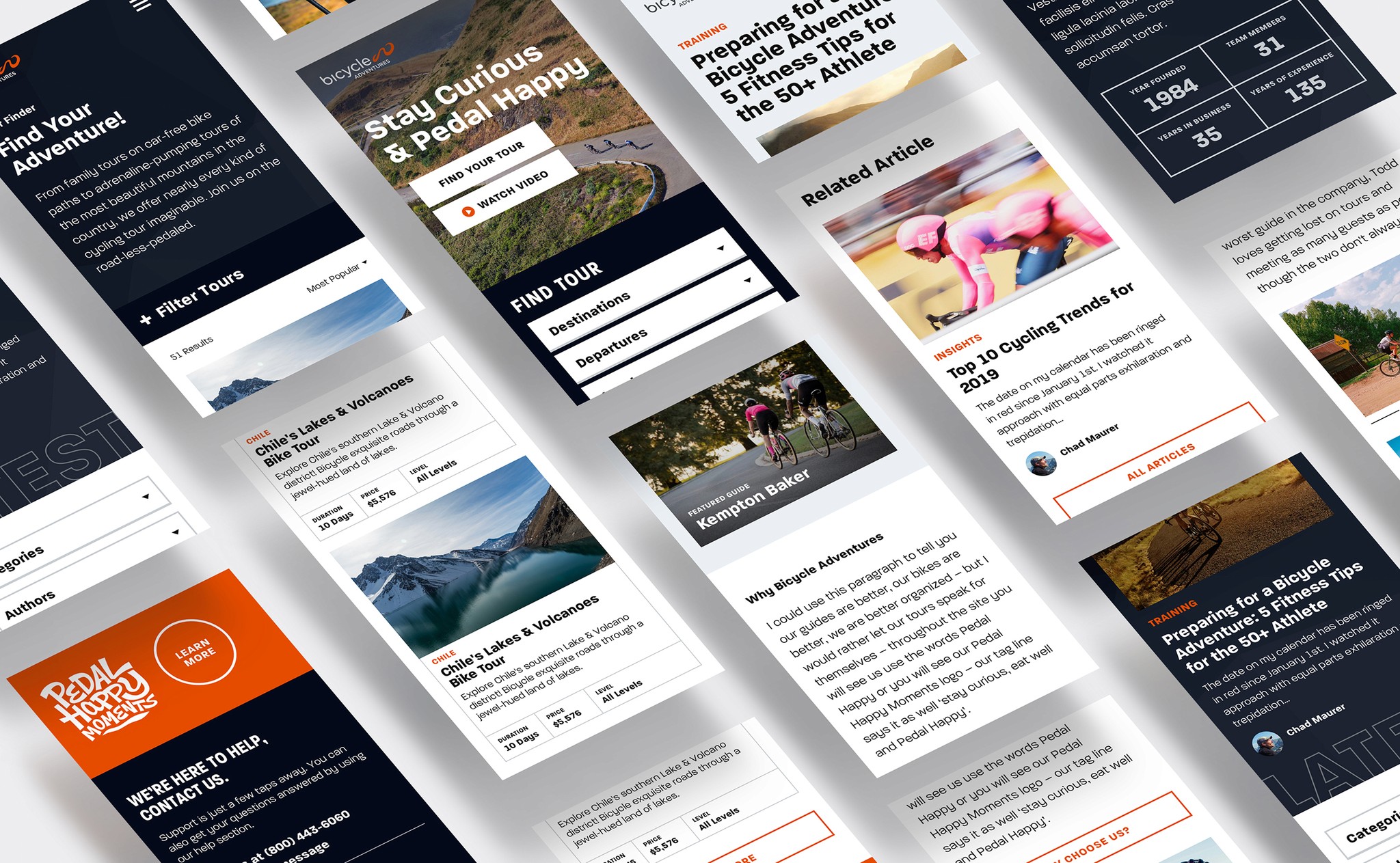
Once the core flow was defined, I worked with a Creative Director to develop a refreshed visual identity to support the new experience. The goal was to create a system that felt cohesive, easy to navigate, and aligned with the sense of adventure the product offers.
Extending the visual system
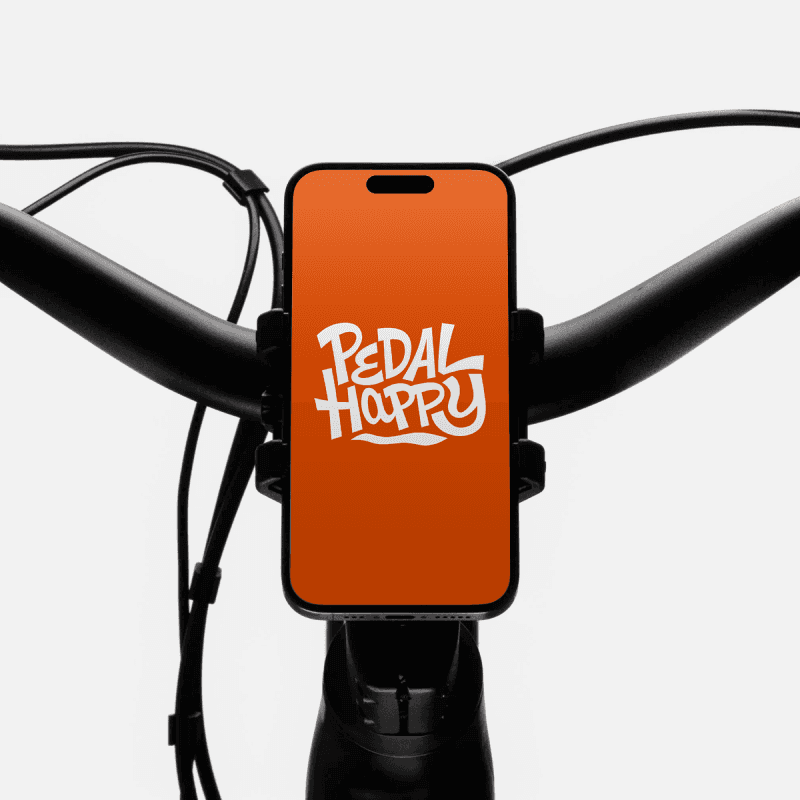
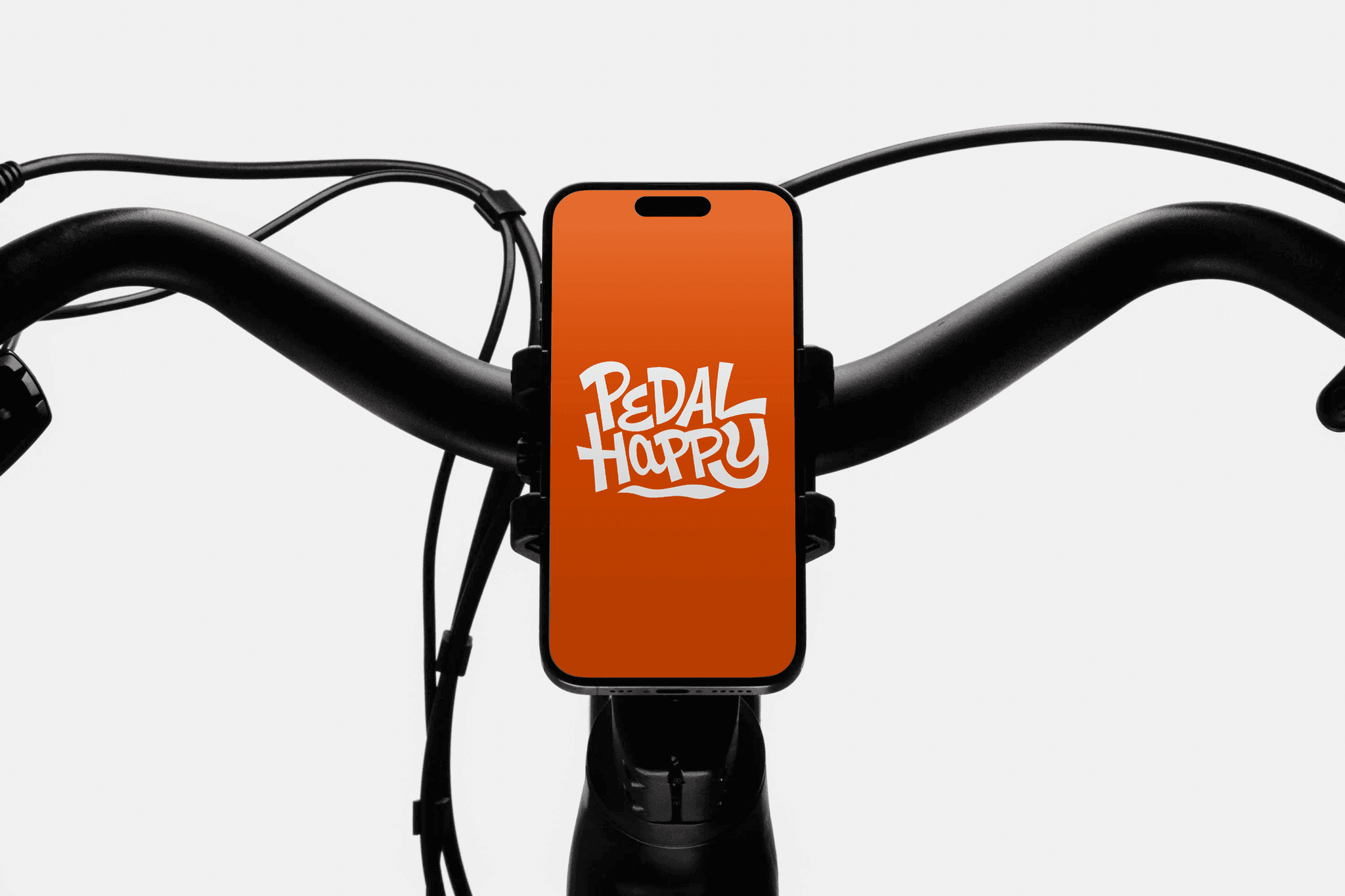
As part of the visual system, I explored a logomark that reinforced the product’s identity while ensuring consistency across the booking experience and supporting overall cohesion.
Conclusion
By reducing friction in discovery and booking flow, the redesigned experience made booking faster and more intuitive, ultimately resulting in an estimated 30% increase in leads and 20–35% growth in bookings.